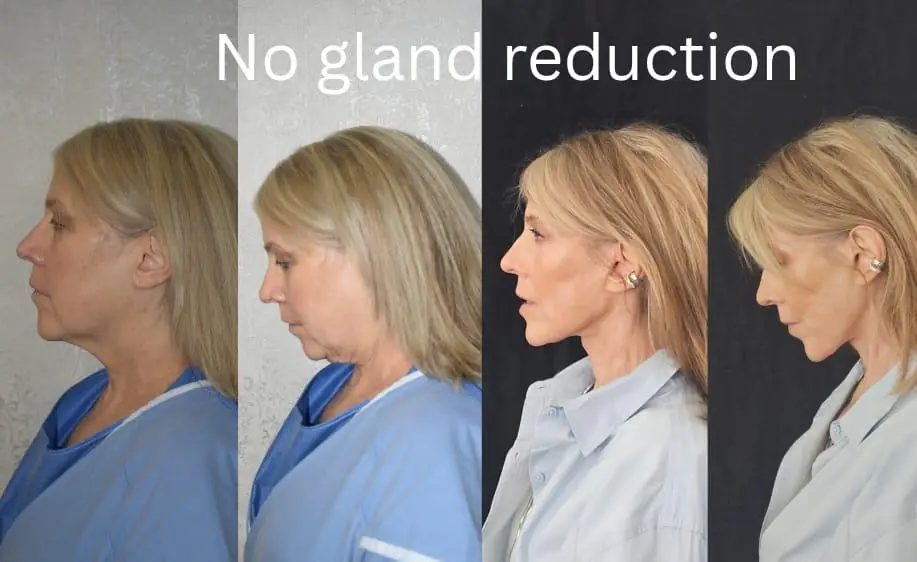
When patients start researching advanced facial rejuvenation, one procedure appears again and again: the deep plane facelift. Many people are drawn to the promise of natural, long-lasting rejuvenation, but a common question quickly follows: what should patients Expect During Recovery After a Deep Plane Facelift, and what are realistic Deep Plane Facelift expectation outcomes? Is …


When patients start researching advanced facial rejuvenation, one procedure appears again and again: the deep plane facelift. Many people are drawn to the promise of natural, long-lasting rejuvenation, but a common question quickly follows: what should patients Expect During Recovery After a Deep Plane Facelift, and what are realistic Deep Plane Facelift expectation outcomes?
Is a deep plane facelift safe?
This article explains the Benefits of Deep Plane Facelift, reviews Deep Plane Facelift Safety, and compares the technique to more traditional methods such as the SMAS facelift and standard facelift surgery, so you can make an informed, confident decision.
What Is a Deep Plane Facelift?
A deep plane facelift is an advanced form of facelift surgery that works on the deeper supporting layers of the face rather than just tightening the skin.
Instead of lifting the skin and then pulling the superficial musculoaponeurotic system (SMAS) separately, the surgeon works beneath the SMAS. The cheek tissues, ligaments, muscle, and fat are lifted together as a single unit.
Compared to a traditional skin-focused facelift or classic SMAS facelift, the deep plane approach:
- Targets the true structural descent of the face
- Repositions mid-face, jawlin,e and sometimes neck tissues more effectively
- Allows the skin to be redraped with less tension, which helps avoid a “pulled” look
Because it works at a deeper level, a deep plane facelift is technically more demanding and should only be performed by a surgeon with specific training and experience in this technique.
Is a Deep Plane Facelift Safe?
The key question for most patients is Deep Plane Facelift Safety. In properly selected patients, performed by an experienced, fully trained plastic surgeon in an accredited hospital or surgical centre, a deep plane facelift is considered a safe and well-established procedure.
Safety depends on several factors:
- Your overall health and medical history
- The surgeon’s expertise in deep plane facelift techniques
- The quality and accreditation of the surgical facility
- Appropriate anaesthesia care and monitoring
- Careful post-operative follow-up
In other words, Deep Plane Facelift Safety is less about the name of the technique and more about who performs it, where it is performed, and how carefully it is planned and executed.
Deep Plane Facelift Safety vs Other Facelift Techniques
When comparing safety between a deep plane facelift and a SMAS facelift or more traditional facelift techniques, studies and clinical experience generally show:
- Overall complication rates are similar when procedures are performed by experienced surgeons
- The risk profile (haematoma, infection, nerve injury, delayed healing) is broadly comparable
- The deep plane approach is more technically demanding, so surgeon experience is critical
For patients, this means:
- Choosing the right surgeon is often more important than choosing the technique
- A surgeon who routinely performs deep plane facelift procedures is better positioned to deliver safe, predictable results than someone who offers it only occasionally
Benefits of Deep Plane Facelift
The Benefits of Deep Plane Facelift are the main reason this technique has become the gold standard for many facial specialists.
Key advantages include:
- More natural results
o Because the deeper tissues are repositioned rather than the skin being pulled tight, facial expression remains soft and natural.
- Better mid-face rejuvenation
o The cheeks and nasolabial folds (nose-to-mouth lines) are lifted more effectively than with a typical skin-only or limited SMAS facelift.
- Improved jawline definition
o Jowls and lower-face heaviness are addressed structurally, enhancing the jawline without over-tightening the skin.
- Longer-lasting outcome
o By lifting the deeper support structures, results tend to be more durable than surface-focused facelift surgery.
- Less tension on the skin
o Reducing skin tension can help scars mature more discreetly and maintain a more natural appearance over time.
These benefits also shape realistic Deep Plane Facelift expectation outcomes: the goal is to look refreshed and recognisable, not dramatically different.
Read More: Difference Between SMAS and Deep Plane Facelifts
What Are the Risks of a Deep Plane Facelift?
Like any operation, a deep plane facelift carries risks. These are similar to those of other types of facelift or facelift surgery, but it is important to understand them clearly.
General surgical risks
- Bleeding or haematoma (blood collection under the skin)
- Infection
- Delayed wound healing
- Scarring
- Adverse reaction to anaesthesia
Facelift-specific risks
- Temporary numbness or altered sensation around the cheeks, ears or neck
- Asymmetry or contour irregularities
- Temporary stiffness or tightness in the lower face and neck
Nerve-related risks
Because the deep plane facelift works at a deeper level, close to the facial nerve branches, patients often ask whether this increases risk. In experienced hands:
- Temporary weakness of facial movement can occur, usually resolving over weeks to months
- Permanent facial nerve injury is rare, but it is a recognised potential complication of any facelift surgery, including SMAS facelift and deep plane techniques
Your surgeon should discuss all potential risks with you in detail during consultation and provide realistic figures based on their own practice and published data.
Who Is a Good Candidate for a Deep Plane Facelift?
Not every patient needs or benefits from a deep plane facelift. Good candidates typically include:
- Men and women with moderate to significant facial ageing
- Visible jowls and loss of jawline definition
- Mid-face descent and deepening nasolabial folds
- Reasonably good skin quality (non-smokers tend to fare better)
- Patients seeking a natural but noticeable improvement, not a subtle tightening only
In some cases, a SMAS facelift or combined face and neck approach may be more appropriate. A detailed consultation allows your surgeon to recommend the safest and most effective plan rather than a one-size-fits-all solution.
Deep Plane Facelift vs SMAS Facelift: Safety and Outcomes
Both the SMAS facelift and deep plane facelift aim to correct the underlying structural ageing of the lower face and mid-face.
SMAS facelift
- Involves lifting the skin and then tightening or repositioning the SMAS layer
- Works well for lower-face jowls and early neck laxity
- May be sufficient for patients with milder ageing changes
Deep plane facelift
- Works underneath the SMAS, releasing retaining ligaments and lifting tissues as a single unit
- More powerful mid-face and cheek rejuvenation
- Often preferred for more advanced facial ageing
From a safety perspective:
- Both techniques are considered safe in experienced hands
- Complication profiles are similar, although the deep plane facelift requires greater technical expertise
- The decision should be based on anatomy, goals, and surgeon experience, not marketing terms
How Surgeons Maximise Deep Plane Facelift Safety
To optimise Deep Plane Facelift Safety, a responsible surgeon will:
- Conduct a thorough medical assessment and review of medications
- Operate in a regulated, accredited hospital or surgical centre
- Use a meticulous surgical technique with careful control of bleeding
- Avoid excessive skin tension and preserve natural anatomy
- Provide clear pre- and post-operative instructions
- Arrange close follow-up in the early healing period
Patients also play a role by:
- Stopping smoking well before facelift surgery
- Following all pre-operative advice
- Taking prescribed medications as directed
- Attending scheduled review appointments
- Reporting any unexpected symptoms promptly
Safety is a partnership between patient, surgeon and facility.
Conclusion: Is a Deep Plane Facelift Safe for You?
In summary, a deep plane facelift is a powerful and sophisticated technique within modern facelift surgery. The Benefits of Deep Plane Facelift include natural, long-lasting rejuvenation of the mid-face, jawline and lower face, with less reliance on skin tension and a reduced risk of an artificial or “pulled” look.
When assessing Deep Plane Facelift Safety, the most important factors are:
- Your overall health and suitability for surgery
- The experience and training of your surgeon
- The quality of the surgical environment
- Careful planning and follow-up
For appropriately selected patients, in expert hands, a deep plane facelift can be a safe and highly effective option for restoring facial harmony and definition.
Frequently Asked Questions About Deep Plane Facelift Safety
Is a deep plane facelift more dangerous than a standard facelift?
No. When performed by an experienced surgeon, a deep plane facelift has a safety profile comparable to other forms of facelift or SMAS facelift. A real extended SMAS facelift, no SMAS plication lift, also dissects beneath the SMAS layer as does the deep plane facelift. The deep plane face lift procedure is more technically demanding, which is why surgeon selection is so important.
Does working deeper increase the risk of nerve damage?
The deeper dissection is closer to the facial nerve branches, but careful technique and detailed anatomical knowledge minimise this risk. Temporary weakness can occur; permanent damage is rare but must be discussed.
Is recovery longer after a deep plane facelift?
Some patients experience slightly more initial swelling due to the depth of dissection, but overall recovery times are similar to other modern facelift surgery techniques. Most patients return to social activities in a few weeks, with refinement continuing over several months.
How can I reduce my risk of complications?
Choose a surgeon with substantial experience in deep plane facelift, be honest about your medical history, stop smoking, follow all instructions, and attend all planned follow-up visits.
Read More:- The Deep Plane Facelift: Value Beyond the Number
Book a Consultation
It’s easy and free!