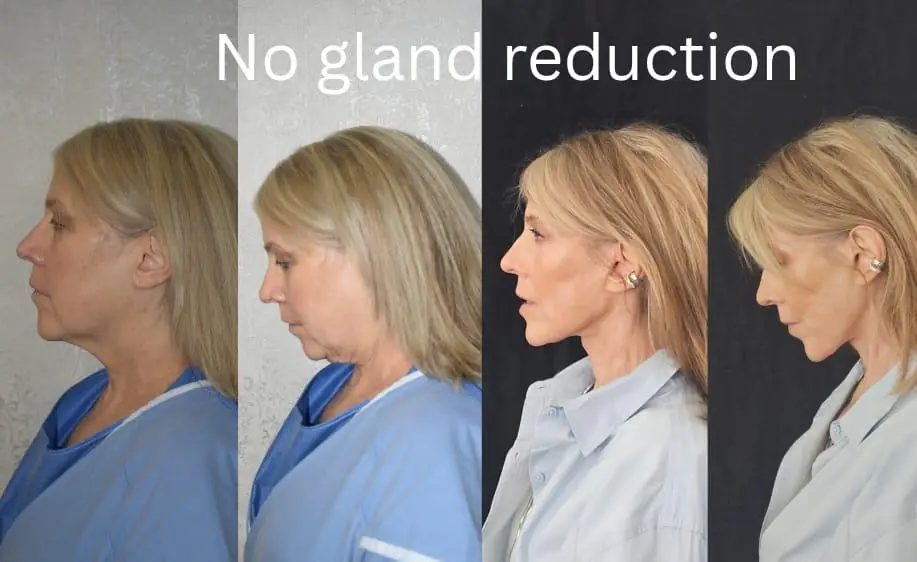
Modern facial rejuvenation techniques have evolved significantly, and one procedure that consistently stands out for natural, long-lasting results is the Deep Plane Facelift. Patients seeking structural improvement to the mid-face, jawline, and neck often want clarity about how the technique works, its advantages, recovery expectations, and overall safety. Many people researching this procedure also want …


Modern facial rejuvenation techniques have evolved significantly, and one procedure that consistently stands out for natural, long-lasting results is the Deep Plane Facelift. Patients seeking structural improvement to the mid-face, jawline, and neck often want clarity about how the technique works, its advantages, recovery expectations, and overall safety.
Many people researching this procedure also want to understand realistic Deep Plane Facelift expectation, what to Expect During Recovery After a Deep Plane Facelift, and the important question: Is a Deep Plane Facelift Safe?
This article combines an overview of the procedure with the Deep Plane Facelift Questions patients ask most frequently during consultation. The goal is to provide clear, evidence-based answers to help you understand whether this advanced approach to facelift surgery is right for you.
Understanding the Deep Plane Facelift
A Deep Plane Facelift targets the deeper anatomical layers responsible for facial sagging. Instead of lifting the skin and tightening the superficial musculoaponeurotic system (SMAS) separately, this technique works beneath the SMAS layer. The surgeon releases key retaining ligaments and repositions the entire facial unit – muscle, fat, and skin – as one structure.
How this differs from a SMAS facelift
A SMAS facelift improves early to moderate facial ageing by tightening or folding the SMAS layer. It is effective for the lower face but has limitations in lifting the mid-face.
A Deep Plane Facelift, by contrast:
- Elevates the cheek tissues more effectively
- Improves nasolabial folds
- Re-establishes natural mid-face volume
- Reduces tension on the skin
- Offers longer-lasting results
Because it works on deeper structures, it can achieve a more natural rejuvenation without the “pulled” look sometimes associated with traditional facelift techniques.
Most Common Deep Plane Facelift Questions
Below are the Deep Plane Facelift Questions that patients most often raise when considering this procedure. Each answer is designed to be practical, clear and clinically accurate.
Question 1: Is a Deep Plane Facelift safe?
Yes. When performed by an experienced surgeon in an accredited medical facility, a Deep Plane Facelift is considered a safe and reliable procedure. The risks are similar to those of other forms of facelift surgery, although deeper dissection requires precise anatomical knowledge.
Factors that improve safety include:
- Thorough medical assessment
- Appropriate anaesthesia monitoring
- Surgeon expertise in deep-plane techniques
- Careful post-operative follow-up
Question 2: Am I a good candidate for a Deep Plane Facelift?
Ideal candidates typically have:
- Mid-face descent
- Deep nasolabial folds
- Loss of jawline definition
- Visible jowling
- Good overall health and realistic expectations
It is especially effective for patients with moderate to advanced facial ageing. Those with earlier signs of ageing may benefit from a SMAS facelift or non-surgical options, depending on the anatomical findings.
Question 3: How long do results last?
A Deep Plane Facelift often provides results lasting 10–15 years, depending on genetics, lifestyle, and skin quality. Because the deeper tissues are repositioned rather than tightened, the results tend to age gracefully.
Patients continue to age naturally, but from a more youthful baseline.
Question 4: How natural will I look after surgery?
One of the most valued benefits of a Deep Plane Facelift is its natural outcome. The procedure lifts the structural layers of the face without over-tightening the skin. As a result:
- Facial movement remains natural
- No “wind-swept” effect
- Cheeks and jawline appear refreshed rather than altered
Most patients say, “I look like myself again,” which is the goal of advanced facelift surgery.
Question 5: What is the recovery like?
Recovery varies individually but follows a predictable pattern:
Week 1
- Swelling and bruising peak around day 3–4
- Tightness along jawline and neck
- Light discomfort managed with medication
Week 2–3
- Most swelling improves
- Bruising fades
- Social downtime typically 10–14 days
Week 4–6
- Jawline definition becomes clearer
- Tissues begin to settle naturally
Full refinement continues for several months.
Question 6: What are the risks?
Any surgery involves risks, and these should be discussed clearly during consultation. Potential complications include:
- Haematoma
- Infection
- Temporary nerve weakness
- Numbness
- Delayed healing
- Asymmetry
Permanent nerve injury is rare but must be acknowledged. Choosing a surgeon highly experienced in Deep Plane Facelift reduces risk significantly.
Question 7: How is the Deep Plane Facelift different from fillers or energy devices?
Fillers, skin tightening devices, and non-surgical treatments address superficial ageing only. They can improve fine lines, mild laxity and volume depletion, but they cannot reposition deeper facial structures.
A Deep Plane Facelift corrects:
- Descended mid-face tissues
- Jowls and lost jawline definition
- Deep nasolabial folds
- Heaviness of the lower face
It is the only option that restores structural support rather than masking ageing on the surface.
Question 8: Will people know I had surgery?
Most patients return to their social and professional lives without others recognising they had surgery. Good results are discreet:
- You look fresher
- More rested
- Better defined
But not “done.” Skilled surgical execution ensures harmony, balance and natural movement.
Question 9: Is the Deep Plane Facelift painful?
Patients usually describe it as mild discomfort or tightness rather than pain. Modern anaesthesia, careful surgical technique, and effective post-operative medication make the experience manageable.
Question 10: Can the Deep Plane Facelift be combined with other procedures?
Yes. Many patients choose to combine their Deep Plane Facelift with:
- Neck lift
- Upper or lower blepharoplasty
- Fat transfer
- Brow lift
- Skin resurfacing treatments
Combination surgery can enhance overall balance and reduce total recovery time.
Question 11: How soon can I return to work or exercise?
- Work: Light duties after 10–14 days
- Exercise: Light walking immediately; strenuous exercise after 4–6 weeks
- Events / Social functions: 3–6 weeks
Be sure to follow your surgeon’s personalised instructions.
Question 12: How do I choose the right surgeon?
Selecting the right specialist is essential for safety and results.
Look for:
- Board-certified or specialist-trained plastic surgeon
- Substantial experience with the Deep Plane Facelift
- Before-and-after photos demonstrating natural outcomes
- Operating privileges in accredited hospitals
- Clear communication and realistic explanations
This ensures your treatment is tailored, safe, and based on anatomical precision.
Conclusion
A Deep Plane Facelift is one of the most effective techniques in modern facial rejuvenation, offering natural, long-lasting structural improvement. Understanding the procedure, recovery and risks helps patients make an informed decision.
This hybrid guide covers the Deep Plane Facelift Questions most frequently asked during consultation, providing clarity on what the surgery can achieve and how it differs from traditional facelift approaches.
When performed by an experienced surgeon, a Deep Plane Facelift offers a safe, powerful and anatomically precise solution for restoring youthful definition to the face.
Read More:- What to Expect During Recovery After a Deep Plane Facelift
Book a Consultation
It’s easy and free!