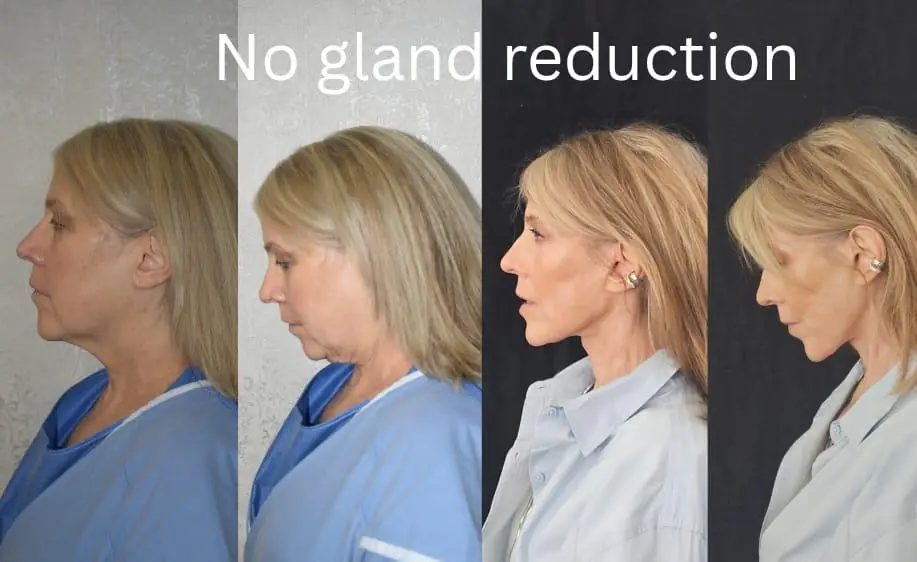
Summary:- Neck rejuvenation surgery focuses on restoring balance and contour rather than simply tightening the skin. Understanding the causes of neck ageing, treatment options, and realistic expectations helps patients make informed decisions. Choosing an experienced surgeon and proper evaluation are key to achieving natural-looking results. The neck often ages earlier than the face and, paradoxically, …


Summary:– Neck rejuvenation surgery focuses on restoring balance and contour rather than simply tightening the skin. Understanding the causes of neck ageing, treatment options, and realistic expectations helps patients make informed decisions. Choosing an experienced surgeon and proper evaluation are key to achieving natural-looking results.
The neck often ages earlier than the face and, paradoxically, reveals ageing more clearly. Patients frequently feel their facial appearance still represents them, while the neck creates a visual contradiction heaviness, banding, or loss of contour that suggests fatigue rather than age alone.
For this reason, many patients begin researching neck lift London procedures before they ever consider facial surgery. Understanding the benefits of necklift surgery, as well as the advantages and disadvantages of necklift surgery, is essential before deciding whether treatment is appropriate.
Why the neck ages differently from the face
Facial ageing is often dominated by descent of deeper tissues. The neck, however, is influenced by multiple structures simultaneously:
- Skin elasticity loss
- Platysma muscle separation (banding)
- Submental fat accumulation
- Deep fat beneath the muscle
- Salivary gland prominence
- Chin projection and bone structure
Because several layers contribute, treating only one rarely produces a natural improvement. When evaluating the neck lift procedure London options, it is important to understand that the neck is not a single-layer problem.
The three main patterns of neck ageing
Not all necks age in the same way. Identifying the pattern determines the correct treatment approach.
1. Skin laxity dominant
Typically seen in thinner patients with good bone structure. The contour is present but blurred by loose skin.
2. Muscle banding dominant
Vertical platysma bands become visible during speech or expression, creating a strained appearance even at rest.
3. Fullness dominant
Caused by superficial or deep fat, or by structural anatomy such as a lower hyoid bone position.
A surgeon aiming for natural results analyses which pattern dominates before recommending surgery. This evaluation is central when choosing the best neck lift surgeon London patients should consult.
Benefits of necklift surgery
The benefits of necklift surgery extend beyond simple tightening. When performed correctly, the procedure restores definition and balance between the face and neck.
Common improvements include:
Better jawline definition
Reduction of loose skin beneath the chin
Smoother neck contour
Reduced appearance of muscle banding
Improved chin–neck angle
These changes often create a more refreshed appearance rather than an obvious surgical transformation.
Advantages and disadvantages of necklift surgery
Understanding the advantages and disadvantages of necklift surgery helps patients develop realistic expectations.
Advantages may include:
Long-lasting structural improvement
Better harmony between face and neck
More defined jawline profile
Natural-looking rejuvenation when performed correctly
Disadvantages may include:
Recovery period with swelling and tightness
Temporary numbness or firmness in early healing
Results influenced by skin quality and anatomy
Surgery cannot stop future ageing
Discussing these aspects openly with the surgeon helps ensure that expectations remain balanced and realistic.
What a neck lift actually corrects
A neck lift is not simply tightening the skin. Proper neck rejuvenation addresses structural support beneath the skin surface.
Typical surgical goals include:
- Rejoining separated platysma muscles
- Refining jawline definition
- Removing or repositioning fat
- Improving the chin–neck angle
- Redraping skin without tension
When these elements are balanced, the neck appears lighter rather than tighter.
What a neck lift cannot change
Understanding limitations prevents unrealistic expectations.
A neck lift will not:
- Permanently stop ageing
- Replace significant chin deficiency without structural correction
- Change bone anatomy
- Create an unnaturally sharp angle in every patient
Patients considering neck lift London surgery should prioritise improvement and harmony rather than perfection.
The relationship between face and neck
The face and neck form a visual unit. Improving one without the other can exaggerate imbalance.
Examples:
- A rejuvenated face with an untreated neck appears incomplete
- A sharply treated neck with a heavy lower face appears artificial
An experienced surgeon evaluates both simultaneously and advises accordingly. This integrative thinking is often seen in the best neck lift surgeon London consultations.
Deep vs superficial neck treatment
Some concerns arise from deeper structures rather than skin or surface fat. These may include deeper fat deposits or muscle laxity.
Superficial treatments alone can improve texture but cannot reliably restore contour. Structural correction provides stability and longevity.
The goal is not aggressiveness but anatomical precision correcting the level where the ageing originates.
Recovery expectations
Healing varies between individuals, but typical phases include:
First 1–2 weeks
- Swelling and firmness
- Limited neck extension
- Gradual improvement in contour visibility
Weeks 3–6
- Softening of tissues
- Increasing natural movement
- Visible refinement of the jawline
Months 3–6
- Final contour maturation
- Natural appearance in motion
Patients researching neck lift London procedures should understand that early tightness is temporary and not the final result.
Read More:- Recovering from neck lift surgery
Common misconceptions
“A neck lift is only skin tightening”
In modern surgery, skin removal is only a finishing step. Structure determines the outcome.
“Non-surgical treatments can replicate surgery”
Non-surgical treatments improve skin quality but cannot reliably recreate structural contour when deeper changes exist.
“Everyone can achieve a sharp jawline”
Natural anatomy varies. The aim is harmony with the individual’s features, not a standardised shape.
Consultation questions worth asking
Before deciding, patients may consider asking:
- What causes my specific neck ageing pattern?
- Which structures will be treated?
- How will the neck match my face afterwards?
- What degree of improvement is realistic?
Clear answers usually indicate thoughtful planning by the best neck lift surgeon London candidates.
Psychological expectations
Many patients pursue neck surgery because the neck is visible in profile and during conversation. Improvement often changes how people perceive fatigue or heaviness rather than simply age.
A successful result usually attracts indirect comments such as “you look rested” rather than questions about surgery.
Longevity of results
A neck lift resets structural position but does not pause ageing. However, ageing continues from a more favourable starting point. Over time, the neck remains proportionate even as gradual changes occur.
Natural longevity depends on:
- Skin quality
- Genetics
- Weight stability
- Sun exposure
Patients seeking neck lift London treatment benefit from understanding that durability comes from structure, not tightness.
Final thoughts
Neck rejuvenation surgery is less about tightening and more about restoring balance. The most successful outcomes appear unremarkable a neck that simply fits the face again.
Choosing the best neck lift surgeon London is therefore not about dramatic transformation but about careful diagnosis and proportional correction. When done thoughtfully, the neck stops attracting negative attention and restores visual balance allowing the face to be seen naturally rather than being overshadowed by heaviness or banding.
Book a Consultation
It’s easy and free!